
Prophet story 25 of 30
محمد
Muhammad ﷺ
ﷺ
The Final Messenger
✦ Step Into the Story
🔮 What Do You Already Know?
No pressure — just guess! This helps you see how much you grow.
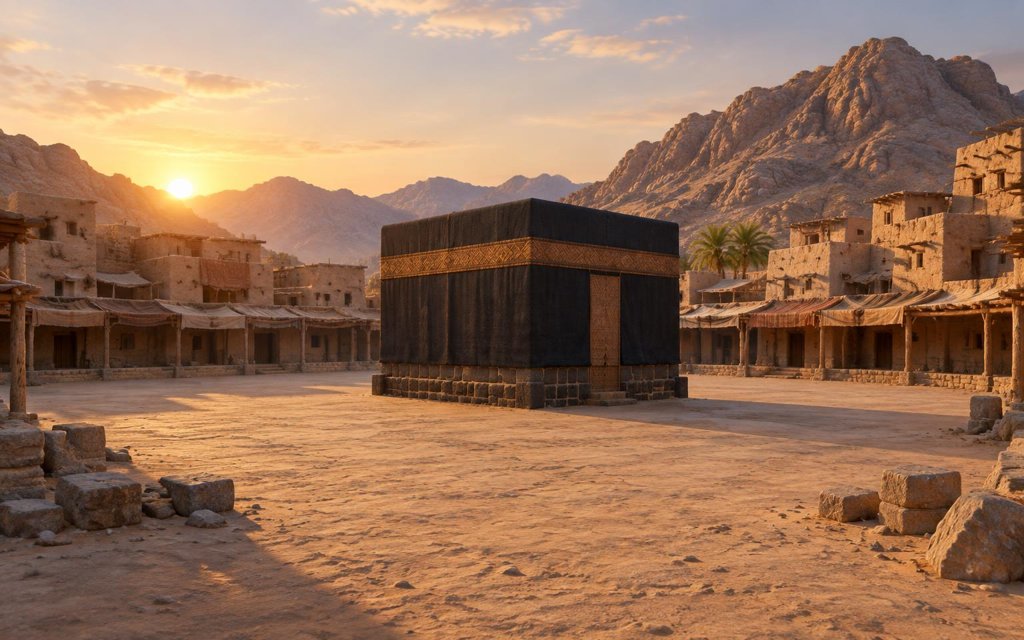
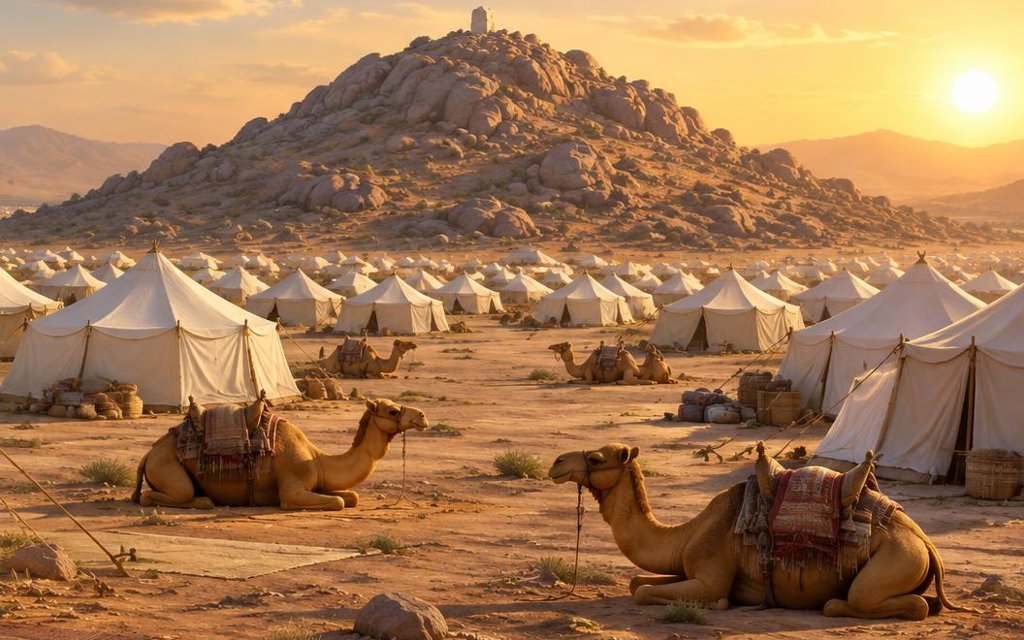
This should be the most comprehensive chapter in the book. Never depict Prophet Muhammad ﷺ in any visual form. Do not show a face, body, silhouette, glowing human figure, shadow, hand, clothing being worn, or a camera viewpoint implying the viewer is “looking through his eyes.” Instead, tell the visual story through Makkah, the Ka‘bah, desert roads, the Cave of Hira, parchment, lamps, homes, mosque architecture, migration routes, battle landscapes without graphic combat, treaties, letters, markets, companions shown only when needed and without implying one is the Prophet, and symbolic environmental storytelling.

Prophet Muhammad ﷺ was born in Makkah into the tribe of Quraysh, in the clan of Banu Hashim, around the year commonly associated with the “Year of the Elephant.” The Qur’an’s Surah Al-Fil reminds listeners of the army that came with elephants intending to attack the Ka‘bah and how Allah protected His sanctuary. Muhammad ﷺ was born not long after this famous event in Arabian memory.
❓ Which tribe was Prophet Muhammad ﷺ born into?
His father, Abdullah, died before he was born. His mother, Aminah, cared for him during his earliest years. As was customary among some families of Makkah, he spent part of his early childhood with a nursing family in the desert, including Halimah al-Sa‘diyyah according to well-known seerah reports. When Muhammad ﷺ was about six, his mother died. His grandfather Abd al-Muttalib then cared for him, but he too died a short time later. Muhammad ﷺ was then raised under the protection of his uncle Abu Talib.
❓ Who raised him after his grandfather died?
Growing up as an orphan shaped a life that would later show unusual concern for orphans, the poor, travelers, widows, and people without protection. The Qur’an itself reminded him that Allah found him an orphan and gave him shelter.
A trustworthy young man
As a young man, Muhammad ﷺ became known for honesty and trustworthiness. Makkans called him al-Amin, “the trustworthy.” He participated in trade and traveled with caravans. Khadijah bint Khuwaylid, a respected businesswoman, employed him in trade and heard excellent reports about his character. She later proposed marriage. Their marriage became one of the most important partnerships in his life.
❓ What title meaning 'trustworthy' did Makkans give him?
Khadijah was his first and strongest supporter when revelation began. They had children together, including daughters Zaynab, Ruqayyah, Umm Kulthum, and Fatimah, and sons who died in childhood.
Before prophethood, Muhammad ﷺ disliked the idolatry and moral problems around him. He often withdrew to the cave of Hira outside Makkah for worship and reflection.
The first revelation
When Muhammad ﷺ was forty years old, the angel Jibril came to him in Hira. The first revealed words were the opening verses of Surah Al-‘Alaq, beginning with the command to read or recite in the name of the Lord who created.
❓ How old was he when revelation began?
The experience was overwhelming. Muhammad ﷺ returned home trembling and asked to be covered. Khadijah comforted him. She reminded him of his character: he maintained family ties, helped the weak, honored guests, and supported people in hardship. She took him to Waraqah ibn Nawfal, a learned relative familiar with earlier scripture. Waraqah recognized the experience as part of the pattern of prophethood and warned that Muhammad’s people would oppose him.
Khadijah became the first believer. Among the earliest Muslims were Ali ibn Abi Talib, Zayd ibn Harithah, and Abu Bakr al-Siddiq. The message at first spread quietly among trusted people. Then Muhammad ﷺ was commanded to warn openly.
Calling Makkah
His central message was simple and revolutionary: worship Allah alone, abandon idols, prepare for resurrection and judgment, speak truth, protect the weak, give charity, and live with moral responsibility.
Quraysh resisted for many reasons. The message challenged their ancestral religion, social pride, and interests tied to the idol-centered pilgrimage economy. Some mocked Muhammad ﷺ. Others accused him of being a poet, magician, or madman. The Qur’an answered these accusations repeatedly.
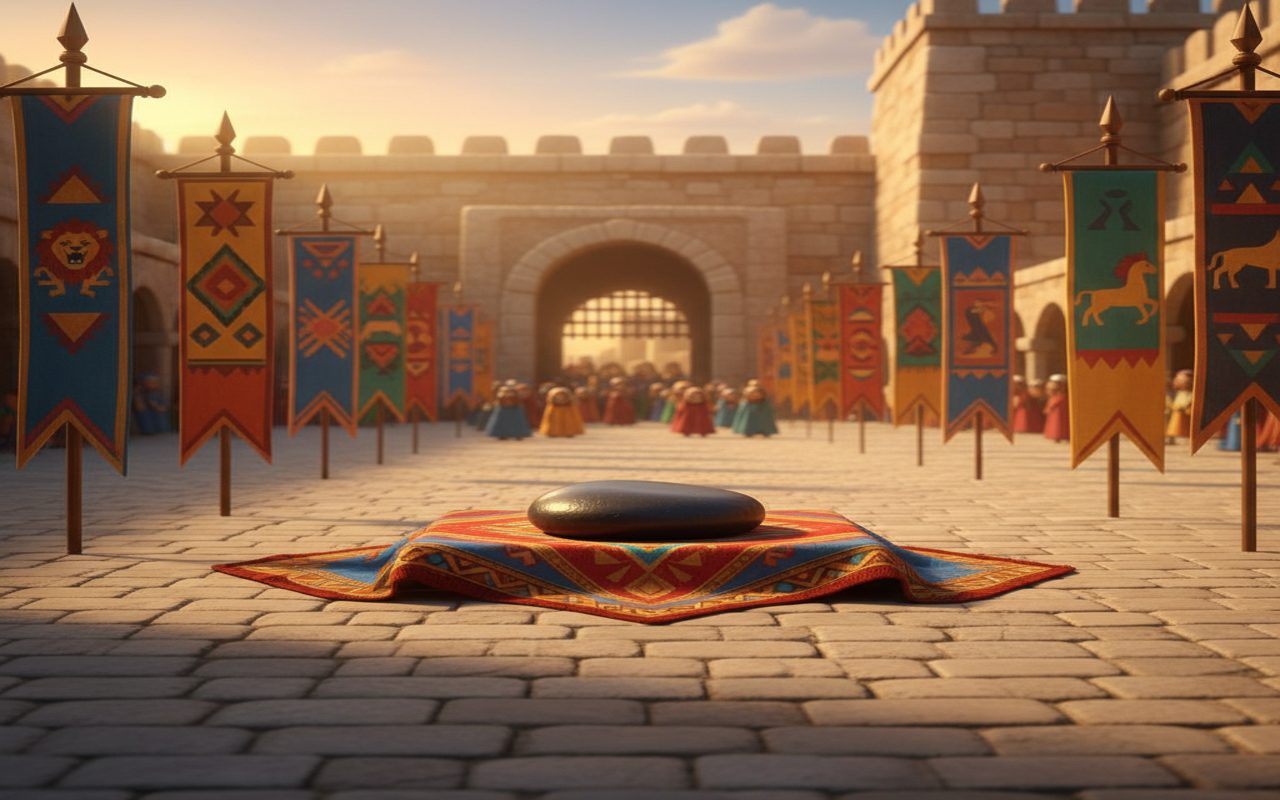
When Muhammad ﷺ gathered members of Quraysh to warn them publicly, opposition became sharper. His uncle Abu Lahab rejected him harshly, and Surah Al-Masad condemned Abu Lahab’s hostility.
Persecution and patience
As more people accepted Islam, persecution intensified. Muslims without strong tribal protection were especially vulnerable. Bilal ibn Rabah was tortured in the heat but continued to declare the oneness of Allah. The family of Yasir suffered severely, and Sumayyah is remembered as among the earliest martyrs.
Muhammad ﷺ did not tell his followers to answer torture by attacking random people. Instead, some Muslims were instructed to migrate to Abyssinia, where a just Christian ruler, the Negus, gave them protection. This was the first migration.
❓ Where was the first migration for protection?
The Quraysh later imposed a harsh social and economic boycott on Banu Hashim and those protecting Muhammad ﷺ. Families endured years of difficulty in a mountain pass. Eventually some Makkans were disturbed by the cruelty and worked to end the boycott.
The Year of Sorrow
Soon after the boycott, Muhammad ﷺ lost two of his greatest supports: Khadijah and his uncle Abu Talib. This period became known as the Year of Sorrow.
He traveled to Ta’if seeking a place where the message might be heard and where Muslims could find support. Instead, leaders rejected him and he was driven out in pain. Yet he did not respond by asking Allah to destroy them immediately. The seerah preserves his hope that future generations might worship Allah.
Isra and Mi‘raj
Around this difficult period came one of the greatest miracles of the Prophet ﷺ: the Night Journey and Ascension. The Qur’an states that Allah took His servant by night from al-Masjid al-Haram to al-Masjid al-Aqsa. Authentic hadith describe the journey beyond that point through the heavens.
The five daily prayers were established in connection with this event. For Muslim children, that means every salah is linked to one of the most extraordinary events in the Prophet’s life.
The event should never be illustrated with the Prophet’s form. Instead, use the night sky over Makkah, an empty ancient road under stars, al-Aqsa’s sacred landscape represented respectfully, and layers of luminous sky with no human figure.
The road to Madinah
People from Yathrib, later called Madinah, met Muhammad ﷺ during pilgrimage seasons. They listened to his message, accepted Islam, and gradually invited him to their city. Agreements known as the pledges of Aqabah created a path for Muslims to migrate.
Quraysh leaders plotted to kill Muhammad ﷺ. Allah permitted him to migrate. Abu Bakr accompanied him.

They hid for a time in the Cave of Thawr while search parties looked for them. The Qur’an refers to the moment when the Prophet reassured his companion: “Do not grieve; indeed Allah is with us.”
❓ In which cave did he hide during the Hijrah?
The journey to Madinah, the Hijrah, became so important that the Muslim calendar later used it as the starting point of its era.
Building a new community
In Madinah, Muhammad ﷺ was not only a preacher. He became the leader of a growing community containing Muslims from different tribes as well as Jewish tribes and other groups.
He helped establish a mosque, created bonds of brotherhood between emigrants from Makkah and helpers from Madinah, and organized agreements governing community relations.
The mosque became a place of prayer, learning, consultation, and service. The Prophet ﷺ encouraged care for neighbors, feeding people, visiting the sick, and freeing slaves.
Change of qiblah
At first, Muslims prayed toward Jerusalem. Later, revelation directed them to face the Ka‘bah in Makkah. This change became a test of obedience and identity.
Badr
Quraysh continued hostility and had seized property left behind by Muslim emigrants. Conflict developed. In the second year after the Hijrah, a Muslim force of around three hundred met a much larger Quraysh army near Badr.
❓ In which year did the Battle of Badr occur?
The Muslims were poorly equipped compared with their opponents. Muhammad ﷺ prayed intensely for Allah’s help. The Qur’an describes angelic assistance and the victory as coming from Allah.
Badr became a major turning point. It was not simply a military success; it showed that a small community could survive against a stronger enemy.
Prisoners were treated in different ways according to circumstances, and some gained release through ransom or other arrangements. Islamic sources preserve examples of humane treatment.
Uhud
The following year, Quraysh returned seeking revenge. At Uhud, the Muslims initially gained an advantage. Muhammad ﷺ had placed archers at a strategic position and ordered them not to leave. Many archers later left their posts, thinking the battle had ended.

The enemy used the opening to attack from behind. The Muslims suffered heavy losses. The Prophet ﷺ himself was injured.
Uhud taught that even believers can face painful consequences when instructions are ignored. It also taught that defeat does not mean abandonment by Allah. The community had to learn, recover, and continue.
The Battle of the Trench
Later, a large coalition marched against Madinah. On the advice of Salman al-Farisi, the Muslims dug a trench around exposed parts of the city—an unfamiliar defensive strategy in Arabia.
❓ Who suggested digging a trench for defense?
The siege was frightening and exhausting. The Qur’an describes hearts reaching throats from fear. Eventually the coalition failed and withdrew after severe conditions and division among them.
The trench teaches children that faith and strategy work together. The Muslims made dua and also dug.
Hudaybiyyah
Years later, Muhammad ﷺ and companions traveled toward Makkah intending to perform pilgrimage, not fight. Quraysh blocked them. Negotiations produced the Treaty of Hudaybiyyah.
Some terms seemed difficult for the Muslims, and several companions initially struggled to understand why the Prophet ﷺ accepted them. Yet the treaty created a period of reduced conflict in which the message of Islam spread widely.
The Qur’an called Hudaybiyyah a clear victory. This teaches that a “win” does not always look dramatic at first. Sometimes patient diplomacy opens doors that confrontation cannot.
Letters and wider outreach
With greater stability, Muhammad ﷺ sent messages to rulers and leaders beyond Arabia inviting them to Islam. The mission was no longer limited to Makkah and Madinah.
Khaybar and continued challenges
The Muslim community faced additional conflicts, including Khaybar. The details involve political and military circumstances that can be summarized for children without turning the seerah into a war story. The important point is that Madinah continued to face external threats while the Muslim community grew.
The conquest of Makkah
Eventually Quraysh-allied groups violated the peace arrangement. Muhammad ﷺ marched toward Makkah with a large Muslim force.

The city that had expelled him was now largely unable to resist. This could have been a moment of revenge. Instead, the conquest became famous for broad forgiveness.
❓ How did he treat Makkah during its conquest?
The Prophet ﷺ entered Makkah humbly, not with the posture of a proud conqueror. Idols around the Ka‘bah were removed, and the sanctuary was restored to the worship of Allah alone.
Many former enemies were pardoned. The event showed that strength can be expressed through mercy.
Hunayn and Ta’if
After the conquest, the Muslims faced the tribes of Hawazin and Thaqif at Hunayn. The Qur’an reminds Muslims that they were impressed by their large number, but their numbers did not help them at first. The battle became another lesson that victory does not come automatically from size.
Tabuk
Later, Muhammad ﷺ led a difficult expedition north toward Tabuk in a time of heat and scarce resources. A major battle did not occur, but the expedition demonstrated the growing reach and organization of the Muslim community.
His home life and character
A comprehensive story must not reduce Muhammad ﷺ to battles and treaties. Much of his life was spent teaching, praying, listening, smiling, helping, judging disputes, visiting people, caring for family, receiving delegations, and answering questions.
He mended or managed personal tasks and did not live like a king surrounded by luxury. He accepted simple food, experienced hunger, and sometimes went long periods without a cooked meal in his household.
He loved children and showed them affection. Authentic hadith describe him carrying children, shortening prayer when he heard a baby cry, and greeting young people.
He taught that mercy toward animals matters. He prohibited cruelty and waste.
He also taught cleanliness, good manners, honesty in trade, fairness in judgment, and kindness to neighbors.
The Qur’an — his greatest continuing miracle
Muslims recognize the Qur’an as the Prophet Muhammad’s greatest continuing miracle. Its language, message, preservation, guidance, and challenge are central to his prophethood.

The Qur’an was revealed gradually over about twenty-three years. Verses came in response to events, questions, spiritual needs, legal issues, and moral lessons. Companions memorized and wrote revelation.
Unlike a miracle seen only by one generation, the Qur’an remains recited and studied across the world.
Other miracles
Authentic hadith record other miracles, including water flowing in unusual abundance for companions, small amounts of food feeding many people, and the splitting of the moon. The Qur’an refers to the moon having split in Surah Al-Qamar.
These reports should be presented carefully with their sources and always described as miracles Allah granted, not powers controlled independently by the Prophet ﷺ.
Mercy and firmness
Muhammad ﷺ was merciful, but mercy did not mean approving every behavior. He could forgive personal wrongs while still enforcing justice in matters that affected others.
He taught people to care for the weak, yet he also expected responsibility. He encouraged repentance, yet he did not treat wrongdoing as meaningless.
This balance is important for children. Kindness does not mean having no rules. Rules without kindness can become harsh. Prophetic character joins truth with mercy.
The Farewell Pilgrimage
Near the end of his life, Muhammad ﷺ performed Hajj with a very large number of Muslims. During this pilgrimage he delivered teachings remembered as the Farewell Sermon.
Among its themes were the sacredness of life and property, responsibilities within families, the rejection of old cycles of blood revenge and exploitative practices, and the duty to hold firmly to guidance.
A famous principle associated with the message of Islam is that human worth is not based on race or tribe but on righteousness. The Prophet’s mission had begun in a tribal society and ended with a community learning to see believers as brothers and sisters beyond lineage.
The completion of the mission
During this period, the Qur’an announced the completion and perfection of the religion.
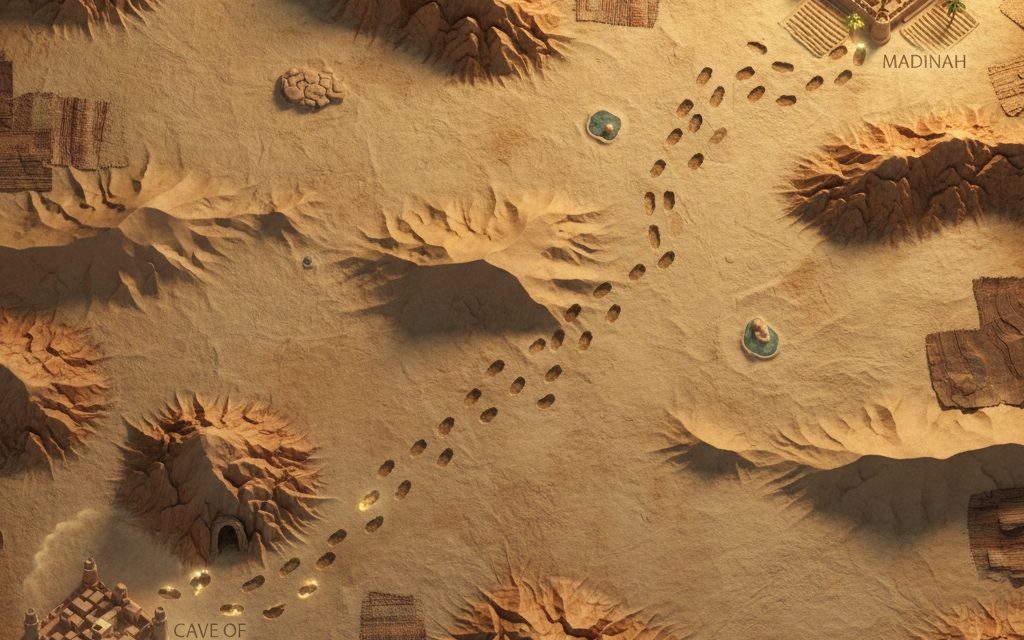
The Prophet ﷺ returned to Madinah. Not long afterward, he became ill. His illness lasted for a number of days.
Even during illness, he remained concerned about prayer and the community. Abu Bakr led people in prayer when the Prophet could no longer do so consistently.
Muhammad ﷺ died in Madinah at the age of sixty-three according to the well-known reports.
❓ Where did the Prophet ﷺ pass away?
The companions were devastated. Umar initially struggled to accept the news. Abu Bakr entered, confirmed that the Prophet had died, and reminded the community that whoever worshiped Muhammad should know that Muhammad had died, but whoever worships Allah should know that Allah is living and never dies. He recited the Qur’anic verse stating that Muhammad is only a messenger and that messengers passed away before him.
That moment protected the heart of Islam from becoming personality worship. Muslims love the Prophet ﷺ deeply, follow his Sunnah, send blessings upon him, and honor him as the final messenger, but worship belongs to Allah alone.
Why his story matters to children
The Prophet Muhammad ﷺ lived through many roles. He was an orphan, worker, husband, father, friend, neighbor, teacher, community leader, refugee, statesman, judge, worshiper, and messenger.
A child can connect to different parts of his life at different ages.
When feeling lonely, remember the orphan who was cared for by Allah.
When tempted to lie, remember al-Amin.
When school feels difficult, remember the first command: read.
When friends pressure you, remember the early Muslims who stayed firm.
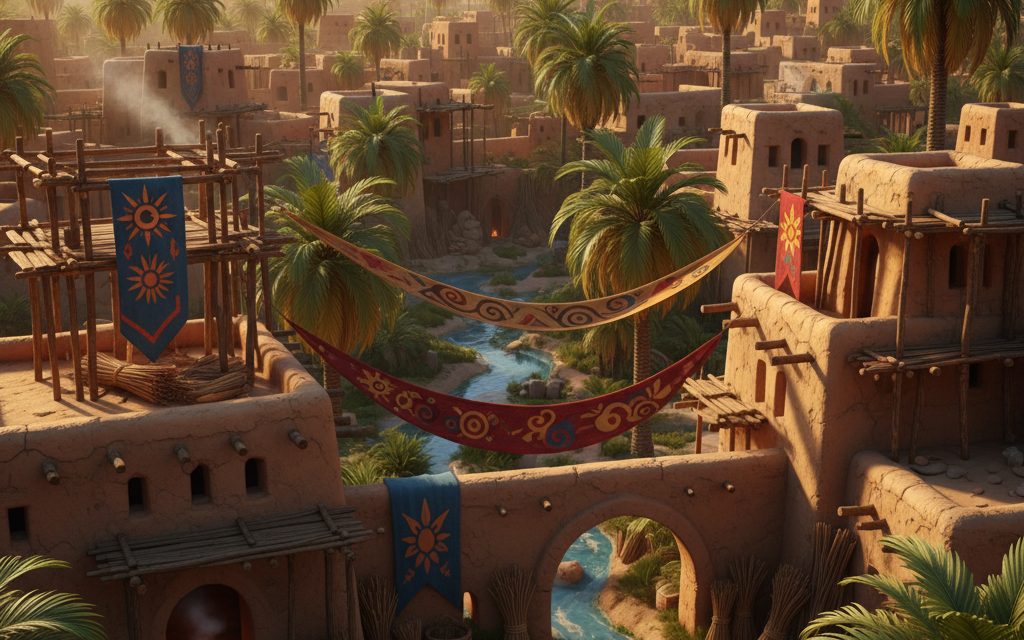
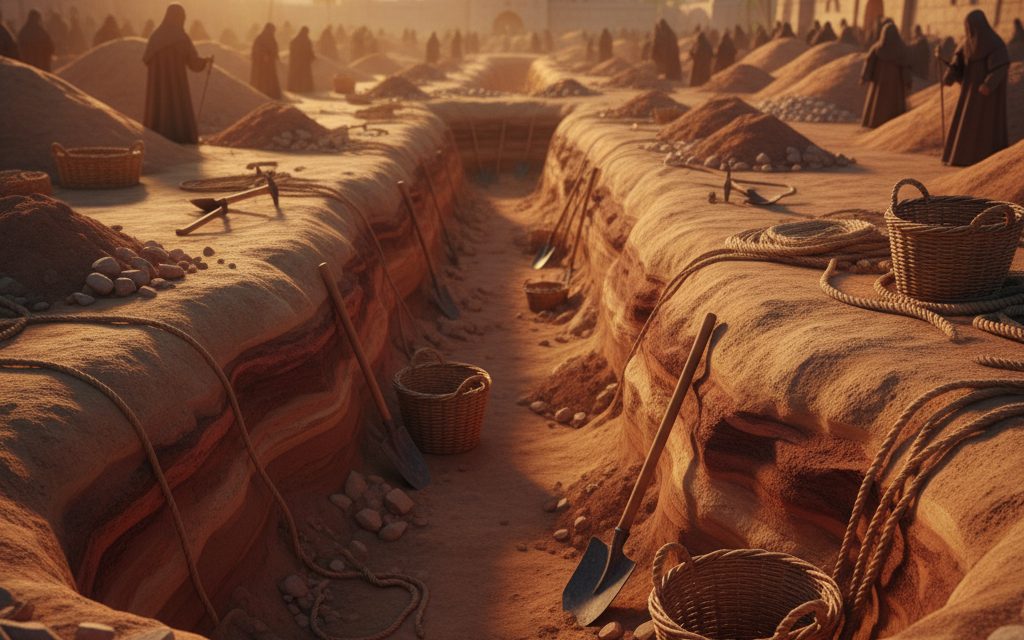
When you make a plan, remember the Hijrah and the trench: trust Allah and prepare carefully.
When you win, remember the conquest of Makkah: choose humility and mercy.
When you have power, remember that strength should protect people, not humiliate them.
When you pray, remember the Night Journey.
When you read Qur’an, remember the revelation that transformed Arabia and continues to guide Muslims.
More detail: family, mercy, and daily life
The public events of the seerah are important, but children understand a person best when they also learn how he behaved at home and in ordinary moments. Prophet Muhammad ﷺ lived simply even after the Muslim community became strong. His home was not a palace. Reports from his family describe modest rooms, simple bedding, and periods when little food was available. This simplicity was not because the community had no resources at all; rather, he personally chose a life that kept his heart attached to Allah and close to ordinary people.
He treated his wives with consideration and taught that the best believers are those who are best to their families. He listened, consulted, and showed affection. His marriage to Khadijah remained a powerful memory long after her death. He spoke of her loyalty and support with gratitude. When friends of Khadijah visited, he honored them because they reminded him of her.
His daughter Fatimah held a special place in his heart. Authentic reports describe him standing to welcome her and treating her warmly. He also loved his grandchildren Hasan and Husayn. He carried children, kissed them, and allowed their needs to affect his actions. Once, when someone expressed surprise that he kissed children, the Prophet ﷺ taught that mercy in the heart matters.
He was playful with children in appropriate ways. Reports describe him greeting young people and making kind jokes that were truthful. He did not treat children as invisible members of society.
This is a useful lesson for a children’s book: greatness in Islam is not only what happens in a battlefield, courtroom, or speech. Greatness also appears in how someone treats a child who interrupts, a spouse who needs to be heard, a neighbor who needs food, or a poor person who enters a gathering.
Caring for the poor and vulnerable
The Qur’an repeatedly connected belief with care for those in need. Prophet Muhammad ﷺ lived that teaching. He encouraged feeding the hungry, helping debtors, supporting orphans, and giving charity without humiliating the recipient.
He warned people against looking down on someone because of poverty or social status. Many early Muslims came from backgrounds that Makkah’s elite considered unimportant. Islam changed the measure of honor from tribe and wealth to righteousness.
Bilal, once tortured as an enslaved man, later became famous as the caller to prayer. Salman came from Persia after a long search for truth. Suhayb came from a different ethnic background. The Muslim community was learning that faith could unite people across divisions that had once seemed permanent.
Children can connect this lesson to school life. Who gets ignored? Who eats alone? Who is new to the class? Who speaks with a different accent? Prophetic manners ask a believer to notice people whom others overlook.
Consultation and leadership
Prophet Muhammad ﷺ received revelation, yet he still consulted companions in matters where revelation had not already decided the issue. At Badr, at Uhud, in the trench campaign, and at other moments, consultation played an important role.
The trench itself came through the suggestion of Salman al-Farisi, who knew a defensive method used outside Arabia. The Prophet ﷺ accepted a good idea even though it came from another culture. This is a strong lesson for children: wise leadership does not mean pretending to know everything. It means recognizing useful knowledge wherever it appears.
At Hudaybiyyah, when some companions were emotionally overwhelmed by the treaty, Umm Salamah gave the Prophet ﷺ wise practical advice about how to move the group forward. He followed her advice. This is another example of consultation and of the important role women played in the early Muslim community.
A leadership activity in the app can present a fictional team project. One child has the title “captain,” but another child has the best idea. What should the captain do? The prophetic answer is to value the best solution rather than protect ego.
Forgiveness and personal injury
One of the most repeated themes in the Prophet’s life is the difference between personal revenge and justice. He experienced insults, mockery, physical injury, economic boycott, forced migration, and attempts to kill him. Yet when he later had power, he often chose forgiveness in personal matters.
The conquest of Makkah is the clearest large example. Many people who had fought him were granted safety. This did not erase every legal consequence for every crime, and a small number of cases had additional circumstances, but the overall character of the event was broad mercy rather than mass revenge.
Children can be taught a careful version of forgiveness: forgiving does not mean staying in danger, hiding abuse, or preventing fair consequences. It means refusing to let personal hatred become the ruler of the heart. A child who is harmed should tell a trusted adult and seek safety. Mercy and protection can exist together.
Justice and keeping promises
The Prophet ﷺ emphasized honesty in agreements. The Treaty of Hudaybiyyah contained terms that were difficult for Muslims, yet the agreement was honored. Keeping treaties and promises was part of moral leadership.

He also taught that justice should not change based on a person’s social rank. Famous reports warn against applying rules only to weak people while excusing the powerful.
This is easy for children to understand. If a teacher punishes one student for cheating but ignores another because that student is popular, the rule is not being applied fairly. Prophetic justice means the standard should not depend on who someone is.
Animals and the natural world
Authentic hadith contain many teachings about animals. The Prophet ﷺ warned against cruelty, praised mercy toward living creatures, and taught that animals should not be made to suffer unnecessarily.
Reports tell of reward for giving water to a thirsty animal and punishment for imprisoning an animal without feeding it. These teachings show that kindness is not limited to humans.
The app can include an “animal mercy” challenge: give water to a pet with an adult’s permission, avoid disturbing nests, never throw objects at animals, and learn one fact about responsible animal care.
Cleanliness, food, and everyday manners
The Sunnah includes practical habits that shape ordinary life: washing, caring for the mouth, keeping clothing and surroundings clean, eating with gratitude, avoiding waste, greeting people with peace, and asking permission before entering private spaces.
These details help children understand that Islam is lived throughout the day. Worship is not separated from manners.
The Prophet ﷺ taught moderation in food and warned against extravagance. He ate what was available and did not insult food. If he wanted it, he ate; if he did not, he left it without insulting it.
A “Sunnah manners” game can ask children to match actions with situations: say salam when meeting someone, say bismillah before eating, avoid wasting water, ask permission before entering, thank people for help, and speak good words.
Learning and teaching
The first revelation began with reading or reciting. Throughout the Prophet’s mission, knowledge remained central.
He taught companions directly, answered questions, sent teachers to communities, and encouraged the learning of Qur’an. Some companions specialized in different areas: recitation, law, writing, languages, and public administration.
The Prophet ﷺ adjusted his teaching to the listener. Sometimes he gave a short answer. Sometimes he repeated a point. Sometimes he used questions to make people think. Sometimes he drew examples from ordinary life.
This provides a model for the app itself: learning should not be one long block of text. It should use story, question, image, repetition, reflection, and action.
The Qur’an during his lifetime
Revelation came over approximately twenty-three years. The Prophet ﷺ did not write a book from his own ideas and then present it all at once. Verses were revealed in different situations, and designated scribes wrote revelation while many companions memorized it.
Jibril reviewed the Qur’an with the Prophet ﷺ, and in the final Ramadan of his life the review occurred twice according to authentic reports. This detail is one reason the final period of his life carried a sense that the mission was nearing completion.
Children should understand that the Qur’an was both memorized and written from the earliest Muslim community. Its preservation involved living recitation, teaching, and written records.
Miracles in greater detail
The Qur’an is the greatest continuing miracle of Prophet Muhammad ﷺ, but authentic hadith also preserve reports of other miracles.
One category involves water. On more than one occasion, companions reported that a small amount of water became sufficient for a larger group by Allah’s blessing. These events should be presented as specific reported miracles, not as a power the Prophet could activate whenever he wished.
Another category involves food increasing enough to feed more people than ordinary expectation would allow. Again, the lesson is Allah’s blessing and provision.
The splitting of the moon is referenced in Surah Al-Qamar: “The Hour has drawn near and the moon has split.” Authentic hadith connect the verse with a miraculous sign witnessed in Makkah. The app can show a night sky with the moon as the visual focus, while avoiding sensational or scientifically fabricated details not found in the sources.
The Night Journey and Ascension was another major miracle. It connected Makkah, Jerusalem, and the heavens and was tied to the establishment of the five daily prayers.
Some authentic reports also describe trees, stones, or other parts of creation in extraordinary relation to the Prophet ﷺ. These should be included only when the hadith source is verified by the project’s Islamic reviewer.
The purpose of miracles is not entertainment. They support the truth of the messenger and remind believers that Allah is not limited by ordinary patterns of nature.
Prayer and spiritual life
Muhammad ﷺ stood in prayer for long periods, especially at night. He remembered Allah frequently, made dua, sought forgiveness, and expressed gratitude.
When companions saw how much he worshiped despite his sins being forgiven, he explained his desire to be a grateful servant.
Children do not need to imitate adult-length worship immediately. The lesson is consistency and love. A small prayer done sincerely matters. A child can begin with protecting the five prayers, learning short surahs, and making personal dua.
The Prophet ﷺ also taught balance. The body has rights, family has rights, and worship should not become an excuse for neglecting responsibilities.
Ramadan and generosity
Ramadan was a special season in the Prophet’s life. Authentic reports describe him as exceptionally generous, and even more generous when Jibril met him in Ramadan.
Ramadan combines Qur’an, fasting, generosity, prayer, and self-control. It also connects strongly with the seerah because major events, including Badr and the conquest of Makkah, occurred during Ramadan.
The app can include a “Ramadan connection” card showing that the Prophet’s life and the Qur’an’s revelation were deeply connected to this month.
Difficult decisions and emotional moments
The Prophet ﷺ experienced grief. He cried at deaths, including the loss of his young son Ibrahim. He taught that the eyes can shed tears and the heart can grieve while a believer still speaks in a way pleasing to Allah.
This is an important lesson for children. Islam does not require emotional numbness. Crying is not a failure of faith.
He also felt concern for people who rejected the message. The Qur’an at times comforted him when his sadness over their refusal became heavy. A messenger can care deeply without being able to control another person’s decision.

Final illness and the community after him
As his final illness became more severe, the Prophet ﷺ remained in the home of Aishah with the agreement of his wives. Abu Bakr was instructed to lead the congregational prayer.
When the Prophet ﷺ died, the community faced the greatest shock in its history. Abu Bakr’s response centered everyone on a permanent truth: Islam is the worship of Allah, not dependence on the physical presence of a human being.
The Prophet ﷺ was buried in the room where he died, which later became adjacent to the expanded Prophet’s Mosque.
Abu Bakr became the first caliph after consultation among the community. That begins a new historical chapter after the prophetic story itself.
How to teach his seerah responsibly
A children’s app should distinguish between strong and weak reports. Many beautiful stories circulate online about the Prophet ﷺ, but not all are authentic. A story should not be included merely because it has an emotional lesson.
Every seerah section should have a source badge: - Qur’an - Sahih hadith - established seerah report - historical report with caution
Do not turn doubtful stories into “facts” for children.
Final reflection
The life of Muhammad ﷺ is not a fairy tale and should not be rewritten like one. It is a real historical prophetic mission supported by Qur’an, authentic hadith, and established seerah.
The best children’s telling keeps the adventure but protects the truth.
His story begins with an orphan and ends with a transformed society. It moves from a cave to a city, from persecution to community, from weakness to strength, and from local preaching to a message carried across the world.
The central lesson never changes: worship Allah alone, follow His guidance, live with mercy and justice, and carry truth with beautiful character.
🔤 Arabic Word Discovery
Salah
prayer
“Salah is how we talk to Allah five times a day.”
✨ Story questions: 0 / 10
🎓 What Did You Learn?
Finish the story first, then test what you learned.
Real-Life Mission
Read one Qur'an verse with a parent.
🛂 Finish reading to earn this stamp.
💡 What can we learn?
🏮 Trivia quiz
1. In which city was Prophet Muhammad ﷺ born?
2. What title meaning “the trustworthy” was he known by?
3. Who was his first wife and earliest supporter?
4. Where did the first revelation come?
5. Which angel brought revelation?
6. To which city did Muslims migrate in the Hijrah?
7. What is the name of the sacred mosque in Makkah?
8. Which battle taught a major lesson about staying at assigned positions?
9. Which strategy helped defend Madinah from a large coalition?
10. What major quality did the Prophet ﷺ show when Makkah opened to the Muslims?
🏆 Challenge quiz
1. Which surah contains the first revealed verses?
2. Who accompanied the Prophet ﷺ during the Hijrah journey?
3. What was the name of the treaty made near Makkah?
4. Who suggested the trench strategy?
5. Who led prayer during the Prophet’s final illness?
🖼 Picture match
Tap a word on the left, then its match on the right.
🧭 Order the story
Tap the events in the right order.
🤔 What would you do?
A friend breaks your toy and apologizes.
Two classmates are arguing.
You are given responsibility in a team.
Someone weaker is being bullied.
You win a competition.
🎯 Multiple choice
❓ What was the first command revealed by Jibril in the cave?
⚖️ True or false
Prophet Muhammad ﷺ lived in a grand palace after the conquest of Makkah.
🔍 Find the clue
🌳 Mothers of the Believers
The Qur'an calls the Prophet's ﷺ wives “Mothers of the Believers” (33:6).
1.Khadijah bint Khuwaylid رضي الله عنها
خديجةHis first wife and the first person to believe in his message. A kind, respected businesswoman who supported him with her wealth and love. He married no one else while she lived.
👶 Children
2.Sawdah bint Zam'ah رضي الله عنها
سودةAn early Muslim who migrated to Abyssinia. Known for her generosity and cheerful heart.
3.Aishah bint Abi Bakr رضي الله عنها
عائشةDaughter of Abu Bakr. A great scholar who taught many people and narrated over two thousand hadith.
4.Hafsah bint Umar رضي الله عنها
حفصةDaughter of Umar. She looked after the written copy of the Qur'an collected after the Prophet ﷺ.
5.Zaynab bint Khuzaymah رضي الله عنها
زينب بنت خزيمةCalled “Mother of the Poor” because she fed and helped people in need. She passed away a few months after the marriage.
6.Umm Salamah (Hind) رضي الله عنها
أم سلمةVery wise. Her advice helped the Muslims at the Treaty of Hudaybiyyah.
7.Zaynab bint Jahsh رضي الله عنها
زينب بنت جحشHis cousin. Her marriage is mentioned in the Qur'an (33:37). She worked with her hands and gave much in charity.
8.Juwayriyah bint al-Harith رضي الله عنها
جويريةFrom the tribe of Banu al-Mustaliq. After her marriage, many of her people were freed.
9.Umm Habibah (Ramlah) رضي الله عنها
أم حبيبةDaughter of Abu Sufyan. She stayed firm in Islam while living far away in Abyssinia.
10.Safiyyah bint Huyayy رضي الله عنها
صفيةFrom the tribe of Banu an-Nadir, a descendant of Prophet Harun. Known for her patience.
11.Maymunah bint al-Harith رضي الله عنها
ميمونةThe last woman he married. Known for her worship and for keeping close ties with family.
Mariyah al-Qibtiyyah رضي الله عنها
ماريةFrom Egypt. Mother of his son Ibrahim, who passed away as a baby.
👶 Children
All his children were from Khadijah, except Ibrahim, whose mother was Mariyah. All his children except Fatimah passed away during his lifetime. Order and some details come from Seerah and hadith reports.
🌟 Famous Stories
The Splitting of the Moon 📖 Qur'anAl-Qamar 54:1-2 and Sahih al-Bukhari 3636
Before the hijrah (migration) to Madinah, the leaders of the Quraysh tribe in Makkah were stubborn. They refused to believe that Muhammad ﷺ was a true Messenger of Allah. To challenge him, they asked for a powerful miracle, a sign so clear that no one could deny it. They wanted proof that he was truly sent by God.
In response to their demand, Allah gave Prophet Muhammad ﷺ a great sign. One night, as they all stood watching, the Prophet ﷺ pointed towards the full moon. By the power of Allah, the moon split into two distinct halves. The people of Makkah saw one half of the moon over one side of the mountain and the other half over the other side. It was a clear and astonishing sight for everyone present.
Even after witnessing this incredible miracle, many of the disbelievers were arrogant. They accused the Prophet ﷺ of using magic and turned away from the truth. The Holy Qur'an records this event, stating, "The Hour has come near, and the moon has split. And if they see a sign, they turn away and say, 'Passing magic.'" This shows that even the clearest signs may not convince those whose hearts are closed to faith.
💡 Lesson: Allah provides clear signs of His power, but true belief comes from an open and sincere heart.
❓ Quick questions
Question 1 / 3
What did the leaders of Makkah ask the Prophet Muhammad ﷺ to show them?
The Compassionate Prophet and the Crying Camel 📜 Authentic hadithSunan Abi Dawud 2549 (Sahih)
One day, the Messenger of Allah ﷺ went into a garden that belonged to a man from the Ansar (the helpers in Madinah). As he entered, he saw a camel. As soon as the camel saw the Prophet, peace be upon him, it started making a sad, whimpering sound and tears began to stream from its eyes.
The Prophet Muhammad ﷺ walked over to the camel with great tenderness. He gently patted and rubbed the camel's head and the back of its ears until the animal calmed down and became quiet. He ﷺ then turned and asked, "Who is the owner of this camel? To whom does this camel belong?" A young man from the Ansar stepped forward and said, "It is mine, O Messenger of Allah."
The Prophet ﷺ looked at him and gave him important advice. He said, "Do you not fear Allah with regard to this animal which Allah has put in your possession? It has complained to me that you keep it hungry and you overwork it, making it tired." The man felt remorse and understood the importance of treating his animal with mercy and care from that day on.
💡 Lesson: Islam teaches us to be merciful and kind to all of Allah's creatures, including animals.
❓ Quick questions
Question 1 / 3
What was the camel doing when it saw the Prophet ﷺ?
🤲 Prophetic Dua
فَتَعَٰلَى ٱللَّهُ ٱلْمَلِكُ ٱلْحَقُّ ۗ وَلَا تَعْجَلْ بِٱلْقُرْءَانِ مِن قَبْلِ أَن يُقْضَىٰٓ إِلَيْكَ وَحْيُهُۥ ۖ وَقُل رَّبِّ زِدْنِى عِلْمًۭا
Transliteration: Fata'aalal laahul Malikul Haqq; wa laa ta'jal bil Quraani min qabli ai yuqdaaa ilaika wahyuhoo wa qur Rabbi zidnee 'ilmaa
Meaning: So high [above all] is Allah, the Sovereign, the Truth. And, [O Muhammad], do not hasten with [recitation of] the Qur'an before its revelation is completed to you, and say, "My Lord, increase me in knowledge."
Who said it: Allah taught the Prophet ﷺ to say this · Taa-Haa 20:114
📖 Where Is This Story in the Qur'an?
سُورَةُ العَلَقِ
Al-Alaq 96:1–5
The Clot · Read in Qur'an Explorer →
سُورَةُ الإِسۡرَاءِ
Al-Israa 17:1
The Night Journey · Read in Qur'an Explorer →
سُورَةُ آلِ عِمۡرَانَ
Aal-i-Imraan 3:121–175
The Family of Imraan · Read in Qur'an Explorer →
سُورَةُ المَائـِدَةِ
Al-Maaida 5:3
The Table · Read in Qur'an Explorer →
سُورَةُ آلِ عِمۡرَانَ
Aal-i-Imraan 3:144
The Family of Imraan · Read in Qur'an Explorer →
👪 For parents & teachers
Qur'an references: Al-‘Alaq 96:1–5; Al-Isra 17:1; Al-Anfal 8; Aal ‘Imran 3:121–175; Al-Ahzab 33; Al-Fath 48; An-Nasr 110; Al-Ma’idah 5:3; Aal ‘Imran 3:144.
Detail notes: Stories are based on the Qur'an first. Where a detail comes from hadith or later historical reports, the text says so. Please review with a trusted teacher.
Translations are provided for learning. For Qur'anic wording, refer to an approved Qur'an translation in your language.